Posted by Steve Head on 7th Mar 2026
Still a Student of the Craft After Seventeen Years
 After seventeen years of building handcrafted percussion instruments, I still find myself learning new things in the shop. That may sound strange to people who think of craftsmanship as something you eventually master. The common assumption is that once someone has been doing something long enough, the process becomes routine and the learning stops.
In reality, the opposite tends to happen. The longer you stay in a craft, the more you begin to notice the smaller details. Things that once seemed insignificant start to matter more. Subtle behaviors in materials. Small shifts in a process. Tiny adjustments that change the result. Over time you begin to realize that the craft is much deeper than it first appeared.
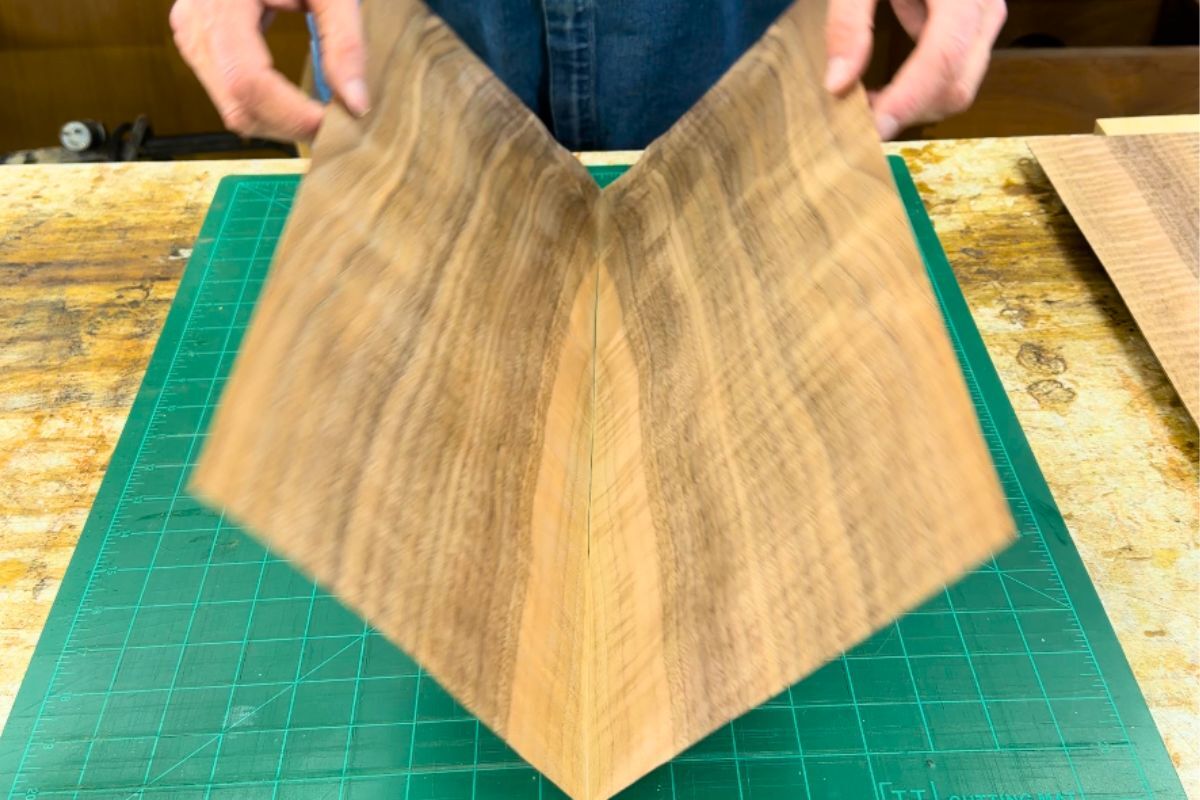
A recent moment in my own shop reminded me of that again. For years I have joined veneers in the same basic way most builders do. The process works well, and I have used it on countless faceplates over the years for my handcrafted cajons. But every so often something would happen that bothered me.
Everything would be lined up perfectly. The bookmatch would be tight. The seam would be exactly where it needed to be. Then the moment glue was applied and pressure came into play, the seam would move just slightly.
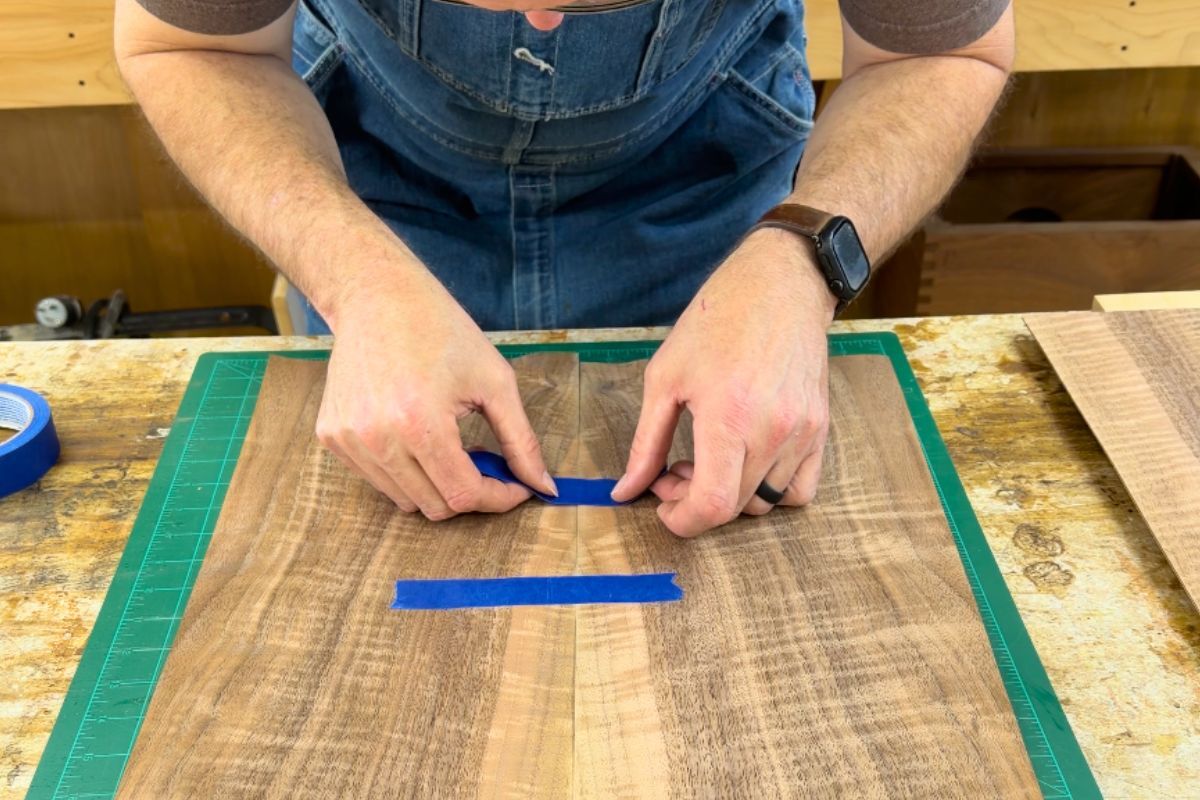
Not much. Just enough to notice. Most people would probably ignore something that small. The panel would still work. The instrument would still be beautiful. No one else would ever know. But it bothered me. Not because the instrument would fail, but because I knew it could be better.
That small frustration stayed in the back of my mind for a long time. Eventually it made me start thinking about the problem differently. What I really wanted was a way to lock the seam exactly where it sat the moment everything was perfectly aligned. That thought eventually led me to try using thin CA glue along the veneer seam.
Once the bookmatch is lined up exactly where I want it, a small bead of CA glue runs along the joint. A quick shot of activator and the seam locks instantly. There is no waiting for glue to tack and no opportunity for the veneers to shift while handling them. It stays exactly where it was.
That small change solved a problem that had quietly been bothering me for years.
What struck me afterward was not just that the method worked well. It was the realization that after seventeen years in the shop, I was still learning things like that while building handcrafted percussion instruments.
That is one of the realities of long term craftsmanship. You never really reach a point where the learning stops. If anything, experience tends to make you more aware of how much there is still to understand. Materials behave differently from one piece to the next. Small changes in technique can lead to better results. New observations keep showing up if you stay attentive to the work.
Craftsmanship is not about arriving at some final level where everything is mastered and finished. It is about staying curious. It is about noticing when something could be improved, even if most people would never see the difference. It is about asking small questions and being willing to experiment with better ways of doing things.
That mindset keeps the work alive. The longer I spend in the shop, the more I have come to respect the role that materials play in the work. Paying attention to tonewood selection and how each piece behaves is one of the things that continues to teach you over time.
The craft keeps revealing small lessons if you are willing to pay attention. The longer I spend at the bench working through cajon construction, the more I have come to respect the idea that the craft itself is bigger than any individual builder. No matter how many years you have been doing it, there is always more to learn from the materials, the tools, and the process.
In many ways that is part of what makes the work so rewarding. You do not master the craft. You spend your life learning from it.